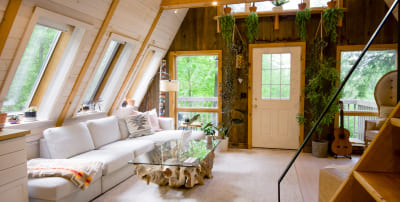
Why Homebuyers Prefer Properties with Flexible
Living Spaces?
Many
homebuyers today want more than just extra rooms. They want spaces that can
adapt to their changing needs. With more people working from home, studying
online, and spending additional time indoors, flexible layouts have become
highly desirable. A room that serves as a home office today can become a guest
room or study area tomorrow. This ability to adapt makes a property more
practical for everyday living. As a result, flexible homes in Pakistan are
attracting greater interest from buyers who value comfort, convenience, and
long term usability.
Creating
Homes That Adapt to Everyday Life
Flexible space design focuses on
making a home more adaptable to different needs and lifestyles. Rather than
assigning a single purpose to every room, homeowners can use spaces in multiple
ways as their circumstances change. For example, a home office can double as a
guest bedroom, a study corner can become a children's play area, and an open
living room can be divided into separate zones when needed. Many modern homes also
include extra rooms that can be used for remote work, hobbies, fitness, or
future family needs.
This approach helps homeowners get
more value from their available space without making major structural changes.
Why
Homebuyers Are Looking for More Versatile Layouts?
The way people live and work has
changed considerably in recent years. Remote jobs, online learning, and home
based businesses have encouraged buyers to seek properties that offer greater
flexibility.
Today's buyers often look for:
• Dedicated areas for work or study
• Quiet spaces for focused
activities
• Family rooms that serve different
purposes
• Outdoor areas that support
recreation and relaxation
• Rooms that can be adapted as
family needs evolve
Because of these changing
priorities, flexible homes are becoming increasingly popular across Pakistan's
property market.
Everyday
Advantages of Adaptable Living Spaces
Flexible layouts provide several
practical benefits that make daily life easier and more comfortable.
Making
Every Area More Useful
A well designed home ensures that
every room serves a purpose. Homeowners can easily rearrange or repurpose
spaces without leaving areas underutilized.
A
Home That Grows with Your Family
As families expand and lifestyles
change, flexible spaces can be adjusted to meet new requirements without costly
renovations.
Supporting
Modern Work and Study Habits
Many households now require
dedicated areas for remote work or online education. Adaptable layouts make it
easier to create productive environments while maintaining comfortable living
spaces.
Greater
Personalization
Flexible homes allow residents to
customize rooms according to their interests, routines, and changing
preferences.
The
Investment Value of Flexible Design
Properties that offer adaptable
living spaces often appeal to a broader audience of buyers and tenants.
Key advantages include:
• Stronger buyer demand
• Better rental opportunities
• Lower vacancy risks
• Improved resale potential
• Long term market relevance
Homes that can accommodate changing
lifestyles tend to remain attractive even as housing trends evolve.
Design
Features Driving Modern Housing Trends
Developers are increasingly
integrating flexibility into residential projects through innovative design elements.
Common features include:
• Open concept floor plans
• Modular room arrangements
• Built in storage solutions
• Sliding walls and partitions
• Convertible living spaces
• Functional balconies and outdoor
areas
These design choices help create
homes that remain practical while maintaining a contemporary appearance.
How
Flexible Housing Is Shaping the Future?
The demand for adaptable homes is
expected to increase as technology, work habits, and family structures continue
to change. Buyers are placing greater importance on versatility and
functionality when choosing a property.
Residential developments that
embrace flexible design are likely to attract more interest and maintain their
value over the long term.
Conclusion
The way people use their homes is changing, and property design is changing with it. Buyers want spaces that can adapt to different stages of life, whether for working from home, studying, raising a family, or pursuing personal interests. Homes with flexible layouts offer that freedom while making better use of available space. For property owners and investors, this growing demand presents an opportunity to invest in homes that remain practical, attractive, and valuable for years to come.